In December 2025, a single timepiece sent a shockwave through the watch world. The result was more than a record-setting sale; it was proof that serious collectors are finally waking up to the extraordinary value of antique Audemars Piguet timepieces.
In horology, the term antique generally refers to watches made before 1950, with some purists drawing the line even earlier, around 1940. This places antiques in a completely different category from vintage watches (typically 1950s–1990s) or modern pre-owned pieces. These early watches were built in an era of hand-finishing, tiny production runs, and near-total customization.
The thesis is simple: antique Audemars Piguet watches are among the rarest, most historically important, and most undervalued luxury timepieces in the world today. Whether you’re a seasoned collector, an investor exploring blue-chip horology, or a newcomer curious about early Swiss watchmaking, this guide will help you understand, buy, and preserve one of the most exclusive corners of the watch market.
Why Antique Audemars Piguet Is So Rare
Rarity is the foundation of collectibility, and few brands illustrate this better than Audemars Piguet. For most of its early history, AP was not the global powerhouse we know today—it was a tiny, family-run manufacturer operating in Le Brassus.
Between 1892 and the early 1970s, Audemars Piguet produced only 550 complicated wristwatches in total. That number alone is staggering when compared to modern luxury brands that produce tens of thousands of watches per year. Even more astonishing: from 1930 to 1962, AP made just 307 chronographs across three decades. Entire reference lines from other brands dwarf that output in a single year.
Before 1951, Audemars Piguet did not use standardized reference numbers at all. Each watch was effectively custom-built, meaning every pre-1951 piece is essentially one of one. By 1920, cumulative production across all models had reached only about 25,000 watches, a figure Rolex or Omega could surpass in a matter of weeks today.
Contrast this with the post-1972 Royal Oak era. After Gérald Genta’s iconic design transformed the brand, production scaled dramatically, and Audemars Piguet became a household name among luxury watch buyers. That success, however, only makes earlier pieces feel almost mythological by comparison.
For collectors, this scarcity matters deeply. When supply is permanently capped, and demand is rising, value tends to follow. That is why antique AP watches sit at the intersection of history, craftsmanship, and long-term desirability.
A Brief History of Antique Audemars Piguet
1875
Jules Louis Audemars and Edward Auguste Piguet founded their workshop in Le Brassus, Switzerland. From the beginning, the company focused on high-quality products rather than mass production.
1882
Audemars Piguet completed what is widely regarded as the world’s first minute-repeating wristwatch movement, cementing its reputation as a technical innovator.
1892–1920s
This was the golden age of grand complications. The brand produced pocket watches featuring tourbillons, perpetual calendars, and complex chiming mechanisms. Many were made for prestigious retailers such as Tiffany & Co. and S.
1920s–1930s
Art Deco aesthetics reshaped watch design. Audemars Piguet experimented with rectangular, tonneau, and asymmetrical cases while also producing some of the thinnest dress watches of the era. These designs remain strikingly modern today.
1930s–1940s
The Great Depression and World War II drastically reduced production. Surviving watches from this period are exceptionally rare. One standout example is the legendary Ref. 1530 chronograph, produced in 1942 in a run of just eight pieces.
Pre-1951
There were no reference numbers or standardized serial systems. Every watch was unique, assembled by hand, and finished to an uncompromising standard.
This concise but substantive history fills a gap often glossed over by competitors. Understanding this context is essential to appreciating why antique Audemars Piguet watches command such reverence today.
The Most Collectible Antique AP Categories
Ultra-Thin Dress Watches (1920s–1950s)
These elegant timepieces feature slim gold or platinum cases, refined Breguet numerals, and beautifully balanced Art Deco dials. Later examples house the legendary Caliber 2003, prized for its thinness and finishing.
Value range: $5,000–$30,000+
Vintage Chronographs (1930s–1950s)
Extraordinarily scarce, these watches represent a total production of just 307 pieces. Key references include Ref. 1530, Ref. 1533, Ref. 5518, and the oversized two-register Ref. 5520 “Jumbo.”
Auction results regularly reach six figures.
Value range: $50,000–$250,000+
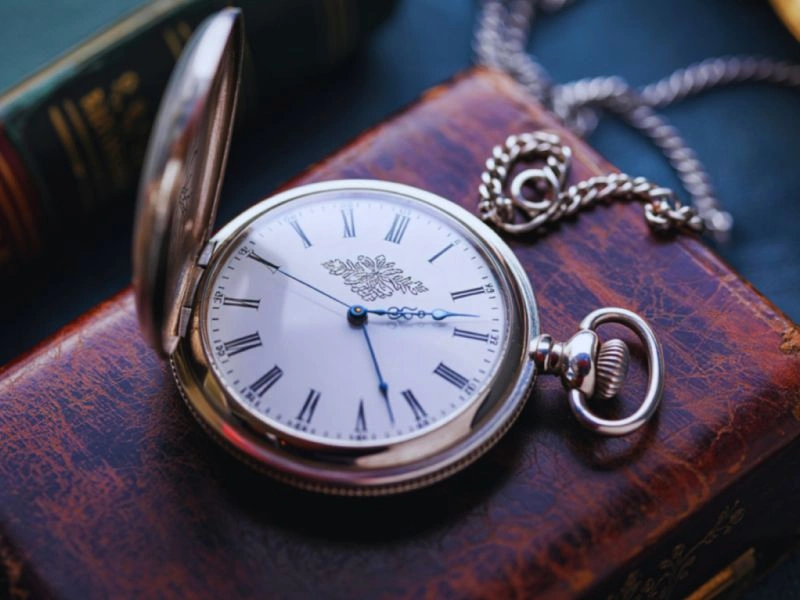
Grand Complication Pocket Watches (1880s–1930s)
Minute repeaters, perpetual calendars, and tourbillons define this category. Audemars Piguet was one of the few manufacturers capable of producing such complexity consistently. The famous Grosse Pièce exemplifies this mastery.
Value range: $20,000 to $7,700,000+
Shaped & Asymmetrical Watches (1930s–1960s)
Long before the Royal Oak challenged conventions, AP experimented with form. Rectangular, lug-less, and asymmetrical cases were produced in small numbers—often unique.
Value range: $8,000–$50,000+
How to Authenticate an Antique Audemars Piguet
Authentication is one of the biggest challenges—and also one of the greatest opportunities—when collecting antique Audemars Piguet. Because production was limited, documentation was inconsistent, and no reference-number system existed before 1951, proper verification requires a deeper, more methodical approach than with modern watches.
Movement inspection
Movement inspection is the foundation. Pre-1951 Audemars Piguet movements were finished by hand to an exceptional standard, even by today’s criteria. Look for clean, sharp beveling along the bridges, polished steel components, and thermally blued screws rather than chemically colored ones. The architecture should match known AP calibers from the period, and the finishing should appear purposeful, not decorative or exaggerated. A qualified watchmaker or horological specialist can confirm whether the movement is period-correct and original to the watch.
Case markings
Case markings require equal scrutiny. You should not expect standardized reference numbers on antique AP pieces. Instead, look for correct “Audemars Piguet” signatures inside the caseback and Swiss assay hallmarks that correspond to the stated metal—typically 18k gold or platinum. These hallmarks should be crisp but not overly sharp; excessive sharpness may indicate later re-stamping.
Dial signatures
Dial signatures are frequently misunderstood. Many authentic antique Audemars Piguet watches were sold through elite retailers such as Tiffany & Co., Cartier, or Gübelin. As a result, double-signed dials are not only legitimate but often more collectible. What matters is typography consistency, aging appropriate to the watch’s age, and harmony between dial, hands, and movement.
Serial and archive research
Serial and archive research is the gold standard of authentication. Audemars Piguet maintains remarkably complete archives dating back to 1882. Cross-referencing a case or movement number through AP’s heritage department or a recognized specialist can confirm production year, original configuration, and retailer delivery.
Red flags
Red flags include reprinted dials with incorrect fonts, mismatched hands from a later era, movements that do not align with case dimensions, or evidence of re-casing. Any inconsistency should prompt further investigation.
For purchases exceeding $10,000, insist on independent authentication from a respected specialist dealer or a major auction house such as Sotheby’s, Christie’s, or Phillips.

Antique Audemars Piguet as an Investment
Over the past decade, luxury watches have evolved from passion purchases into a recognized alternative asset class. Between 2018 and 2023, top-tier Swiss watch brands—most notably Rolex, Patek Philippe, and Audemars Piguet—saw average annual appreciation of around 20%, driven by global demand, constrained supply, and increasing transparency at major auctions. Yet within this broader trend, antique Audemars Piguet remains one of the market’s most overlooked segments.
Modern Royal Oak references dominate headlines and social media, often commanding prices far above retail. By contrast, pre-1950 Audemars Piguet watches—produced in extremely small numbers and finished entirely by hand—can still be acquired at prices well below comparable antique pieces from Patek Philippe or Vacheron Constantin. This pricing gap exists despite AP’s equal, and in some cases superior, technical achievements during the same era.
The $7.7 million sale of the Grosse Pièce in 2025 marked an inflection point. It signaled that the market is beginning to reassess antique AP at levels more consistent with their true historical importance and rarity. While not every antique Audemars Piguet will experience dramatic appreciation, the direction of the market has become clearer: exceptional early pieces are being re-rated.
Several factors consistently drive value. Originality is paramount—untouched dials, correct hands, and unpolished cases command significant premiums. Documentation, including archive extracts and original retailer signatures, adds both confidence and desirability. Provenance also matters; watches with traceable ownership or notable collector history often outperform anonymous examples.
That said, watches are not guaranteed investments. Liquidity can vary, and values may fluctuate. This segment should be approached with patience, education, and a long-term perspective rather than short-term speculation.
How to Care for and Preserve an Antique Audemars Piguet
Proper care is essential to preserving both the mechanical integrity and collector value of an antique Audemars Piguet. These watches were built decades before modern shock protection, synthetic lubricants, or water-resistant case construction, so thoughtful handling is non-negotiable.
Winding practices
Wind the watch fully once each morning, ideally at the same time every day. Turn the crown slowly and smoothly, and stop immediately when you feel resistance. Forcing the crown can damage the mainspring or winding train—repairs that are costly and sometimes irreversible for early movements.
Water and moisture
Pre-1950 Audemars Piguet watches have effectively zero water resistance, even if the case appears tightly sealed. Remove the watch before washing hands, cooking, or stepping outdoors in humid or rainy conditions. If moisture ever enters the case—indicated by fogging under the crystal—open the caseback as soon as possible, gently dry it with warm (not hot) air, and take it directly to a vintage specialist. Delayed action can lead to rust within hours.
Storage conditions
Store the watch in a cool, dry environment with stable temperature and low humidity. A padded watch box or soft pouch is ideal. Avoid direct sunlight, which can fade dials and degrade lacquer, and never store antique watches near magnets, speakers, or electronic devices that may affect timekeeping.
Handling and setting
Handle the watch by the case edges rather than the crown. Avoid sudden movements or impacts. When setting the time, always move the hands clockwise only, particularly on watches with a calendar, repeater, or other complications, to prevent gear damage.
Servicing and originality
Have the movement serviced every 3–5 years by a watchmaker experienced specifically with antique Swiss movements. Never authorize polishing unless explicitly advised by a specialist—over-polishing removes metal, softens case lines, and permanently destroys collector value. In the world of antique Audemars Piguet, originality is everything.
Final Thoughts
Antique Audemars Piguet watches represent one of the most compelling—and under-the-radar—segments of fine watch collecting. Their rarity, hand-crafted origins, and growing auction visibility place them in a league of their own.
Whether you are collecting for passion, history, or long-term value, few choices are as rewarding as a carefully selected antique Audemars Piguet.
Browse our current inventory, contact our specialists, or subscribe for updates on rare timepieces to stay informed as this remarkable market continues to evolve.
FAQs
1. What qualifies an Audemars Piguet as an antique?
Generally, AP watches made before 1950 are considered antique by collectors.
2. Are antique AP watches good investments?
They can appreciate over time due to rarity, but values are never guaranteed.
3. Did Audemars Piguet make pocket watches?
Yes, AP produced highly complicated pocket watches from the late 1800s onward.
4. How rare are antique AP chronographs?
Extremely rare—only 307 were made between 1930 and 1962.
5. Should antique AP watches be polished?
No. Polishing can destroy originality and significantly reduce value.