
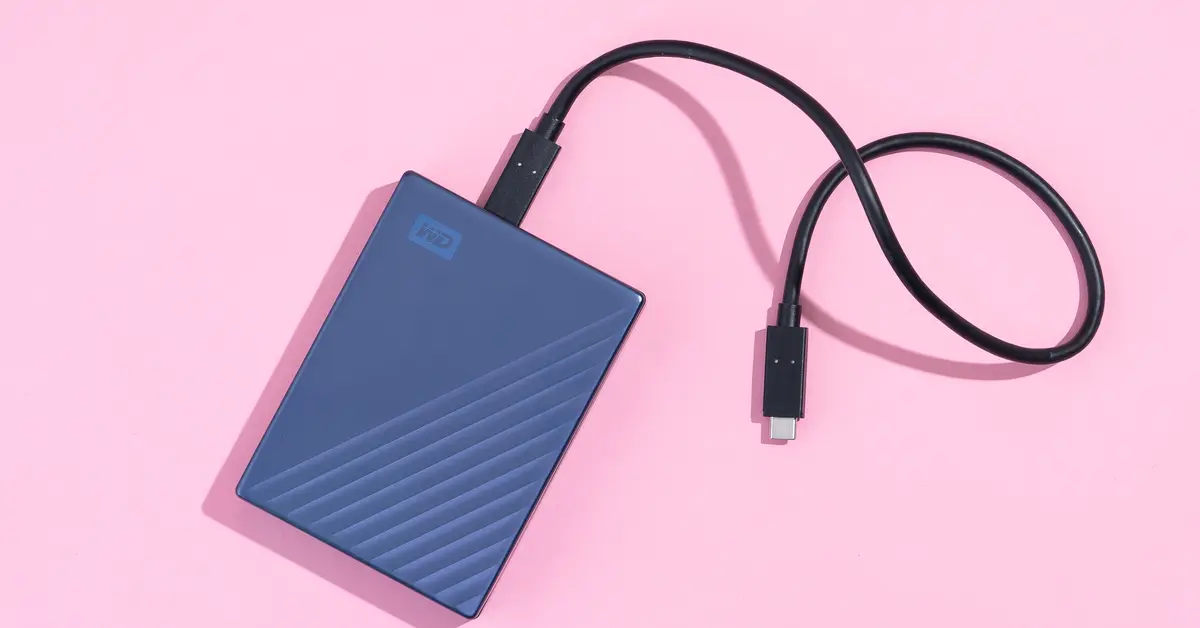
External hard drives have become an essential component for PC gamers who require additional storage solutions. As game sizes continue to increase, the demand for efficient and expansive storage options has never been more critical. They allow gamers to store their vast libraries of games, downloadable content, and updates without running out of space on their primary hard drives. This additional storage not only alleviates the constraints of internal memory but also ensures that gamers have quick access to their favorite titles, enhancing the overall gaming experience.
Speed is one of the most vital factors in gaming performance, as it significantly impacts loading times and responsiveness. External hard drives that utilize solid-state drive (SSD) technology provide superior speeds compared to traditional hard disk drives (HDD). The rapid read and write speeds of SSDs allow games to start up faster and load in-game environments with minimal delay. For competitive gamers, reduced latency can mean the difference between victory and defeat, underscoring the importance of selecting an external hard drive that prioritizes speed alongside storage capacity.
Current trends in gaming storage solutions further highlight the evolution of external hard drives. Manufacturers are continually innovating, providing gamers with faster, more reliable options. This includes the creation of drives with USB 3.2 and Thunderbolt interfaces, which offer significantly higher data transfer rates, suitable for today’s high-performance gaming needs. Additionally, many external drives now come equipped with customizable RGB lighting and durable designs to appeal to gamers looking to enhance their setup aesthetically. As gaming continues to advance, the role of external hard drives in facilitating a smooth and immersive gaming experience is more significant than ever.
Why Speed Matters for Gaming
In the realm of gaming, the significance of data transfer speed cannot be overstated. As gaming experiences become increasingly complex with high-definition graphics and expansive worlds, the performance of gaming systems hinges on the ability to swiftly read and write data. This is particularly crucial during loading screens, where a player’s patience may be tested as they wait to dive into their next adventure. Faster load times can dramatically reduce the waiting period, allowing gamers to immerse themselves in gameplay without interruption.
When comparing data transfer speeds, solid-state drives (SSDs) significantly outshine traditional hard disk drives (HDDs). SSDs utilize flash memory to store data, facilitating quicker access and retrieval. In contrast, HDDs rely on spinning disks and mechanical arms, which can pose limitations in terms of speed. For example, while a typical HDD may provide read/write speeds averaging around 80 to 160 MB/s, a modern SSD can achieve speeds exceeding 500 MB/s and often reach up to 7,000 MB/s. This stark difference in performance results in reduced loading times and a more responsive gaming experience.
Moreover, the benefits of speed extend beyond just load times. Games that demand frequent data streaming, such as open-world adventures or online multiplayer titles, greatly benefit from the high read/write speeds of SSDs. During gameplay, these drives can efficiently load textures and assets, minimizing lag and enhancing frame rates. As an outcome, serious gamers who prioritize performance often choose SSDs for their external storage needs, ensuring that their gaming sessions are both fluid and engaging. The investment in a high-speed external hard drive can convert lengthy load screens into moments of excitement, ultimately elevating the overall gaming experience.
Top Features to Look for in Gaming External Hard Drives
When gamers seek the ideal external hard drive to enhance their gaming experience, several key features must be taken into consideration. First and foremost, capacity is crucial. Gamers often require significant storage space for their game libraries, including large AAA titles, downloadable content, and updates. A drive that offers at least 1TB of storage is generally advisable, though options up to several terabytes are available for those who need more extensive space.
Next, speed plays a vital role in gaming performance. External hard drives typically utilize either traditional hard disk drives (HDD) or solid-state drives (SSD). While HDDs offer larger capacities at a lower price, SSDs are preferred for their faster read and write speeds, significantly reducing load times during gameplay. Gamers should consider drives with a minimum of 7200 RPM for HDDs or those designated as SSD for optimal performance.
Durability is another key feature that gamers must prioritize, as external drives are often transported between locations. Look for drives built with rugged materials and drop resistance, ensuring that they can withstand the rigors of travel and everyday use. Additionally, a compact design that prioritizes portability often enhances convenience, making it easier to carry the drive to gaming sessions or LAN parties.
Connectivity options are also essential when choosing an external hard drive. USB 3.0 and USB-C ports provide faster data transfer rates compared to older USB standards, which can help improve overall gaming performance. A gaming external hard drive with multiple connectivity options ensures compatibility with various devices and systems.
Finally, warranty and support should not be overlooked. A drive with an extended warranty can provide peace of mind, particularly for gamers investing in high-capacity or high-performance storage solutions. By understanding and prioritizing these features, gamers can make informed decisions when selecting the best external hard drives for their gaming needs.
Review of the Fastest External Hard Drives for Gamers
As gaming technology continues to advance, having the right external hard drive can significantly enhance your gaming experience. Here, we delve into an in-depth review of the top five external hard drives currently available for gamers, highlighting their specifications, performance metrics, price, pros, and cons.
1. Samsung T7 Portable SSD
The Samsung T7 Portable SSD offers an impressive read speed of up to 1050 MB/s and write speed of up to 1000 MB/s, making it one of the fastest external hard drives on the market. It comes with a storage capacity ranging from 500GB to 2TB. Priced around $119.99 for the 1TB variant, the T7’s lightweight design and durability make it ideal for gamers on the go. However, its price point could be higher than traditional HDDs and is not expandable.
2. SanDisk Extreme Portable SSD
With a read speed of up to 1050 MB/s and write speed reaching up to 1000 MB/s, the SanDisk Extreme is another highly recommended external hard drive. It is available in capacities from 500GB to 2TB, with prices starting at approximately $109.99 for the 1TB version. Its IP55 rating for water and dust resistance is a definite advantage, though some users may find the software interface less intuitive.
3. WD Black P10 Game Drive
Specifically designed for gamers, the WD Black P10 Game Drive offers a read speed of up to 140 MB/s, with options ranging from 2TB to 5TB at a competitive price of around $99.99 for 2TB. Its spacious capacity and durability make it suitable for storing games. However, its performance is slower than SSD counterparts, which can affect load times in demanding titles.
4. Seagate FireCuda Gaming Hub
This external hard drive combines high capacity with performance that appeals to gamers, providing up to 560 MB/s speeds. Available in sizes from 4TB to 10TB, the prices start at approximately $159.99 for the 4TB version. The FireCuda Gaming Hub includes customizable RGB lighting, enhancing the gaming aesthetic. However, its bulkiness may not be ideal for portable use.
5. LaCie Rugged SSD Pro
The LaCie Rugged SSD Pro delivers exceptional performance with read speeds of up to 2800 MB/s and write speeds reaching 2400 MB/s. It is available from 1TB to 4TB, with prices around $399.99 for the 2TB model. Its rugged design ensures durability, but its higher cost may be a barrier for budget-conscious gamers.
In conclusion, choosing the right external hard drive is essential for enhancing your gaming experience. Each of these top five options provides unique features and performance metrics that cater to different gaming needs and budgets.
Comparison of SSDs vs HDDs for Gaming
When it comes to gaming storage solutions, two prominent choices are Solid State Drives (SSDs) and Hard Disk Drives (HDDs). Each type of drive offers distinct advantages and disadvantages, making it essential for gamers to understand their differences to elevate their gaming experience effectively.
SSDs, known for their superior speed, utilize flash memory to store data, which significantly reduces load times. This fast data access can greatly enhance gaming performance, allowing players to enjoy titles with expansive worlds without the frustrating delays often associated with HDDs. Games installed on SSDs tend to load faster, enabling smoother transitions and enhanced gameplay experience. Furthermore, SSDs offer higher reliability, as they contain no moving parts, minimizing the risk of mechanical failure. This aspect is particularly appealing for gamers who frequently transport their drives, as the rugged nature of SSDs makes them more resilient to drops and bumps.
On the other hand, traditional HDDs provide advantages in terms of cost-effectiveness and storage capacity. Generally, HDDs are less expensive per gigabyte compared to SSDs, making them an attractive option for gamers looking to maximize storage without breaking the bank. This cost-saving factor is particularly important for those with extensive game libraries or a preference for downloading large titles. Additionally, HDDs typically offer larger storage space options, allowing gamers to store multiple games, downloadable content, and system backups in one place.
In summary, the choice between SSDs and HDDs for gaming hinges on specific gamer needs. While SSDs are optimal for speed and reliability, HDDs remain a budget-friendly solution for those prioritizing storage capacity. Ultimately, a combination of both types may offer the ideal balance for an expansive and responsive gaming experience.
Setup Guide: How to Connect and Optimize Your External Hard Drive for Gaming
Connecting an external hard drive to your PC is a straightforward process that can significantly enhance your gaming experience. To begin, ensure your external hard drive is compatible with your system—this often means checking if it supports USB 3.0 or higher for optimal data transfer rates. Start by connecting the hard drive to a USB port on your computer. For best results, use a port directly on the motherboard rather than through a hub to avoid potential bandwidth limitations.
Once connected, the next step is to format the external hard drive for use with your games. This can be completed by accessing the ‘This PC’ option in Windows Explorer. Right-click on the external hard drive icon and select ‘Format.’ It’s advisable to format the drive using NTFS, especially for games larger than 4GB, as FAT32 may limit file sizes. During the formatting process, ensure you select ‘Quick Format’ to speed up setup without compromising functionality.
After formatting, it’s essential to optimize the external hard drive settings for gaming. Navigate to the game library on your preferred platform, whether it be Steam, Epic Games, or others, and set the external drive as the installation location. For Steam, this can be done by going to ‘Settings,’ then ‘Downloads,’ and finally selecting ‘Steam Library Folders’ to add your external drive.
When transferring games to your newly connected external hard drive, ensure your system is not performing any bandwidth-heavy tasks to prevent interruptions. Select the game you wish to transfer, right-click it, and choose the ‘Move Install Folder’ option on platforms like Steam. This process will optimize your space and significantly reduce loading times. Maintaining a regularly defragmented drive also aids in performance, so keep that in mind as part of your maintenance routine.
Maintaining Your External Hard Drive for Longevity
External hard drives serve as indispensable tools for PC gamers, offering enhanced storage capacity and faster data transfer rates. However, to maximize their lifespan and performance, it is essential to adopt a series of best practices in their maintenance. Regular maintenance not only prolongs the drive’s usability but also safeguards valuable game files and sensitive data.
First and foremost, performing consistent backups is critical. In the gaming world, data loss can be catastrophic, especially with extensive progress and achievements at stake. By scheduling routine backups, users can ensure that even in the event of a hardware failure or accidental deletion, their data remains secure. Utilizing cloud storage in conjunction with external drives can provide an effective safeguard against such risks.
Additionally, proper handling of external hard drives is vital to maintain their longevity. These devices are susceptible to damage from physical shocks, such as drops and bumps. As a precaution, it is advisable to handle the drive with care and to store it in a padded case when not in use. Furthermore, ensure that cable connections are firmly in place to prevent disconnection during critical gaming sessions, which could potentially corrupt files.
Ventilation plays an essential role in the health of external drives. Adequate airflow helps prevent overheating, which can lead to performance degradation over time. Users should avoid placing the drive on soft surfaces that may obstruct airflow and should consider using a dedicated stand or cooling pad if necessary. Additionally, monitoring the drive’s temperature regularly can help identify issues before they lead to failure.
Finally, being aware of common pitfalls that could lead to drive failure is crucial. For instance, avoid unplugging the drive while it is in use, as this can corrupt data and damage the drive itself. By implementing these practices, gamers can ensure their external hard drives not only serve them well during their gaming adventures but also stand the test of time.
Future Trends in External Gaming Storage
The landscape of external storage for PC gaming is evolving rapidly, influenced by significant advancements in technology. One of the most notable developments is the introduction of USB 4.0, which promises to redefine how gamers experience data transfer rates. With a theoretical maximum speed of up to 40 Gbps, USB 4.0 provides an efficient means of connecting external storage devices, ensuring that gamers can load their favorite titles without significant delays. This increase in bandwidth means external drives can rival traditional internal SSDs in performance, enabling seamless gameplay and quick access to data-heavy files such as high-resolution textures and game updates.
Additionally, the development of NVMe external SSDs is a major trend shaping the future of gaming storage solutions. NVM Express (NVMe) technology allows for faster data retrieval times compared to older SATA-based SSD alternatives. As external drives utilizing NVMe become more prevalent, gamers can expect enhanced performance in terms of game loading times, which is particularly crucial for titles with expansive open worlds or high graphical fidelity. These drives not only boost speed but also improve durability due to their shock-resistant properties, making them ideal for gamers on the go.
Looking ahead, it is plausible that the integration of AI and machine learning in storage solutions could further enhance performance. By analyzing user behavior and preferences, storage systems may optimize space usage and prioritize files based on access frequency. This intelligence could streamline game loading processes and overall user experience. Furthermore, as game storage demands increase with the rise of 8K gaming and virtual reality, advancements in both hardware and software will be essential to meet these needs. Overall, the convergence of USB 4.0, NVMe technology, and potential AI-driven innovations heralds an exciting future in external gaming storage. These improvements will likely transform how PC gamers store and engage with their content.
Conclusion
When navigating the market for external hard drives, particularly for gaming purposes, it is essential to understand the critical factors that contribute to an optimized gaming experience. Throughout this article, we have emphasized the paramount importance of speed, capacity, and overall drive performance. These elements are not merely desirable; they are vital for meeting the demands of modern gaming, where large file sizes and rapid load times can significantly impact gameplay.
In addition, features such as data transfer rates, durability, and compatibility with gaming platforms should not be overlooked. As PC gamers, choosing a hard drive equipped with sufficient speed ensures reduced latency and seamless gameplay, while storage capacity allows for an extensive library of games to be housed efficiently. With options ranging from SSDs to traditional HDDs, each type presents unique advantages that align with different gaming needs and budgets.
Ultimately, the decision on which external hard drive to select should be informed by a thorough evaluation of personal gaming preferences and specific storage requirements. Assess factors such as the types of games you play, the frequency of usage, and the transfer speeds you deem necessary. Keeping these considerations in mind will help you make an informed purchase that elevates your gaming experience. Empower yourself with the right external hard drive, and you will undoubtedly enjoy enhanced performance in your gaming endeavors.